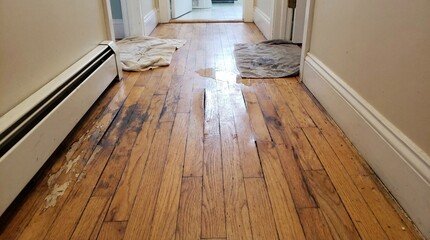
Water damage can happen suddenly and without warning, leaving homeowners overwhelmed and uncertain about what to do next. Whether caused by burst pipes, roof leaks, flooding, or appliance failures, water intrusion can quickly compromise the structure of a home and create serious health risks.
Water Damage Restoration Salt Lake City is the process of removing water, drying affected areas, and repairing the damage to return a property to a safe and livable condition. Understanding how water damage restoration works and why immediate action is essential can help minimize long term damage and costly repairs.
Common Causes of Water Damage
Water damage can originate from a variety of sources. Plumbing failures are among the most common causes, including burst pipes, leaking supply lines, and malfunctioning water heaters. Even small leaks can escalate if left undetected, leading to structural deterioration and mold growth.
Weather related events such as heavy rain, storms, and flooding can also introduce large amounts of water into a home. Roof damage or clogged gutters may allow water to seep into ceilings and walls. Additionally, appliance malfunctions from washing machines, dishwashers, or refrigerators can result in unexpected water release.
Identifying the source of water damage is a critical first step in the restoration process.
The Importance of Immediate Water Damage Restoration
Time plays a crucial role in water damage restoration. The longer water remains in contact with building materials, the greater the potential for damage. Within hours, water can seep into drywall, insulation, and flooring. Within days, mold growth may begin.
Immediate action helps reduce structural damage and lowers repair costs. Prompt water removal prevents moisture from spreading to unaffected areas. It also reduces the risk of mold contamination and protects indoor air quality.
Acting quickly ensures that restoration efforts are more efficient and less invasive.
The Water Damage Restoration Process
Water damage restoration follows a structured process designed to address both visible and hidden moisture. The first step is a thorough assessment of the affected areas. Restoration professionals evaluate the extent of the damage and categorize the type of water involved.
The next stage involves water extraction. Specialized equipment removes standing water from floors, carpets, and other surfaces. Once excess water is removed, the drying process begins. High powered air movers and dehumidifiers are used to eliminate residual moisture from walls, ceilings, and structural components.
After drying is complete, cleaning and sanitizing ensure that affected surfaces are safe and free from contaminants. Finally, repairs and reconstruction restore damaged materials to their original condition.
Water Extraction and Drying Techniques
Effective water extraction is essential to prevent further damage. Pumps and industrial vacuums remove standing water quickly, limiting the spread of moisture. Even after visible water is gone, hidden moisture can remain trapped within materials.
Drying techniques focus on removing this residual moisture. Air circulation increases evaporation, while dehumidifiers extract moisture from the air. Moisture meters are often used to monitor progress and ensure that all areas are thoroughly dried.
Proper drying reduces the risk of mold growth and structural weakening.
Mold Prevention and Remediation
Mold is a common consequence of water damage if not addressed promptly. Mold spores can begin to grow within twenty four to forty eight hours in damp conditions. Once established, mold can spread rapidly and affect indoor air quality.
Water damage restoration includes preventive measures to stop mold before it starts. Thorough drying and cleaning eliminate the moisture that mold needs to grow. If mold is already present, remediation may be necessary to remove contaminated materials and sanitize the area.
Preventing mold growth protects both the property and the health of occupants.
Structural Repairs and Reconstruction
After water extraction and drying, structural repairs may be required. Water can weaken drywall, warp flooring, and damage wooden framing. In severe cases, sections of walls or ceilings may need replacement.
Reconstruction involves restoring the property to its pre damage condition. This may include installing new drywall, repainting, replacing flooring, and repairing damaged fixtures.
Proper reconstruction ensures the home is safe, functional, and visually restored.
Health Risks Associated With Water Damage
Water damage presents more than just structural concerns. Standing water and damp environments can promote bacterial growth and increase the risk of respiratory issues. Contaminated water from floods or sewage backups poses additional health hazards.
Exposure to mold spores can trigger allergies, asthma symptoms, and other respiratory problems. Addressing water damage promptly reduces these risks and creates a healthier indoor environment.
Maintaining a dry and clean living space supports overall well being.
Insurance and Water Damage Restoration
Water damage restoration often involves working with insurance providers. Homeowners should document damage as soon as it is discovered by taking photographs and noting affected areas. Understanding policy coverage helps determine which restoration services are eligible for reimbursement.
Restoration professionals may assist with documentation and communication to streamline the claims process. Acting quickly and keeping thorough records improves the likelihood of a smooth claim experience.
Insurance coordination plays an important role in managing restoration costs.
Preventing Future Water Damage
While some water damage incidents are unavoidable, preventive measures can reduce the risk. Regularly inspecting plumbing systems, appliances, and roofing helps identify potential issues early. Cleaning gutters and ensuring proper drainage around the home prevents water accumulation near the foundation.
Installing water detection devices and maintaining sump pumps adds an extra layer of protection. Addressing small leaks promptly prevents larger problems from developing.
Proactive maintenance supports long term property protection.
The Role of Professional Water Damage Restoration Services
Professional water damage restoration services bring expertise and specialized equipment to handle complex situations. Attempting to manage severe water damage without proper tools can lead to incomplete drying and hidden moisture problems.
Trained professionals understand how water spreads and how to target affected areas effectively. Their experience reduces the risk of mold growth and ensures that restoration is thorough.
Choosing professional assistance provides confidence that the restoration process is handled safely and efficiently.
Long Term Benefits of Proper Water Damage Restoration
Investing in proper water damage restoration offers long term benefits. Thorough drying and repair prevent structural deterioration and protect property value. Addressing issues quickly minimizes disruption to daily life.
A well restored home maintains its comfort and safety. Proper restoration also prevents recurring problems that can result from incomplete repairs.
Long term benefits extend beyond immediate recovery, ensuring the home remains secure for years to come.
Emotional Impact of Water Damage and Restoration
Water damage can be emotionally stressful for homeowners. The sudden disruption and uncertainty may create anxiety. Seeing personal belongings and cherished spaces affected by water can be overwhelming.
Water damage restoration provides a path toward recovery and normalcy. Restoring the home helps rebuild a sense of stability and security.
Understanding the restoration process can reduce stress and provide reassurance during a difficult time.
Final Thoughts on Water Damage Restoration
Water damage restoration is a critical process that protects homes from structural deterioration, mold growth, and health risks. Acting quickly and following a structured approach ensures that damage is contained and repaired effectively.
From water extraction and drying to cleaning and reconstruction, each step plays an important role in restoring safety and comfort. By understanding the importance of timely intervention and preventive maintenance, homeowners can minimize risks and safeguard their property against future water damage challenges.